Skip to content
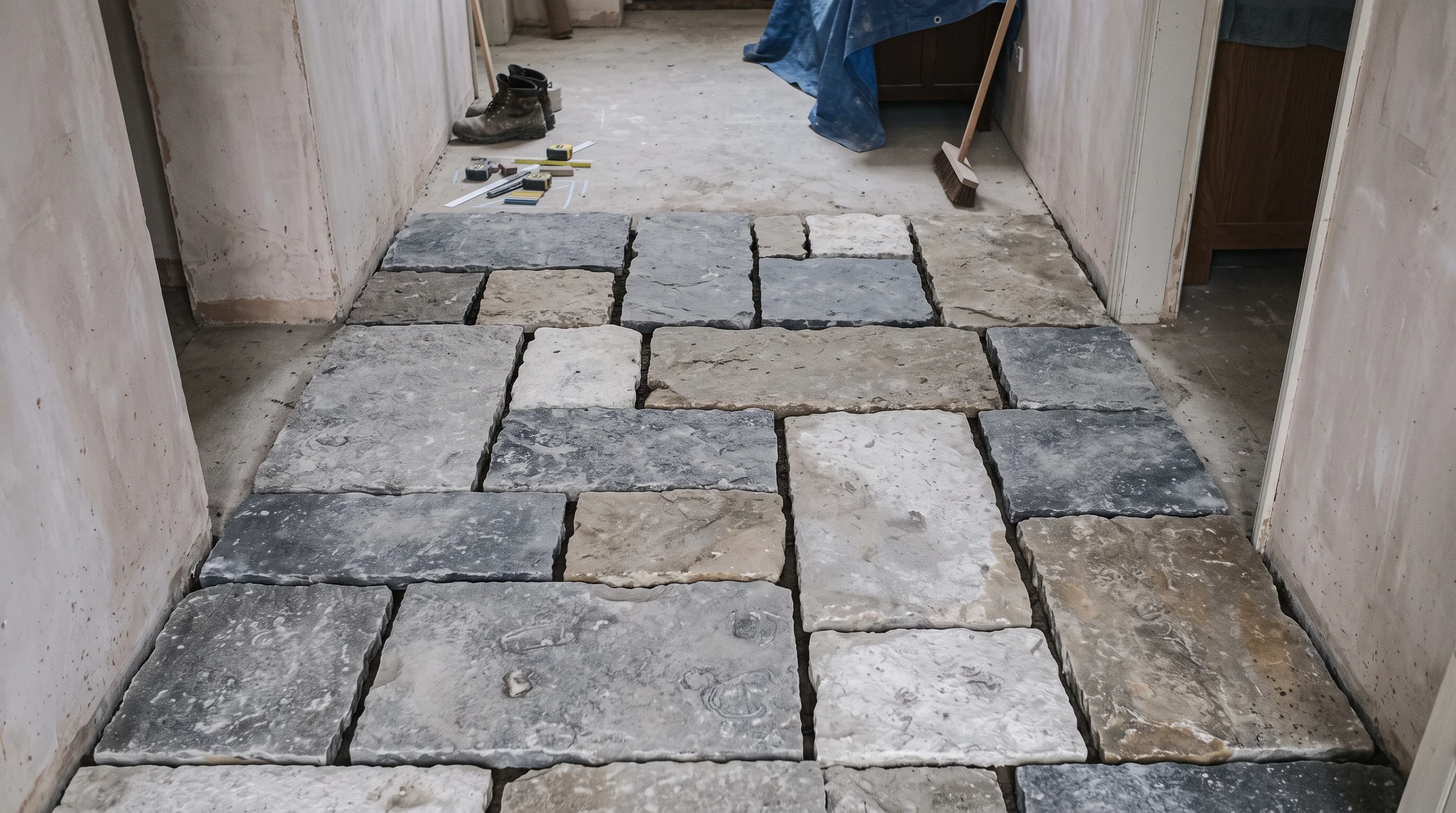
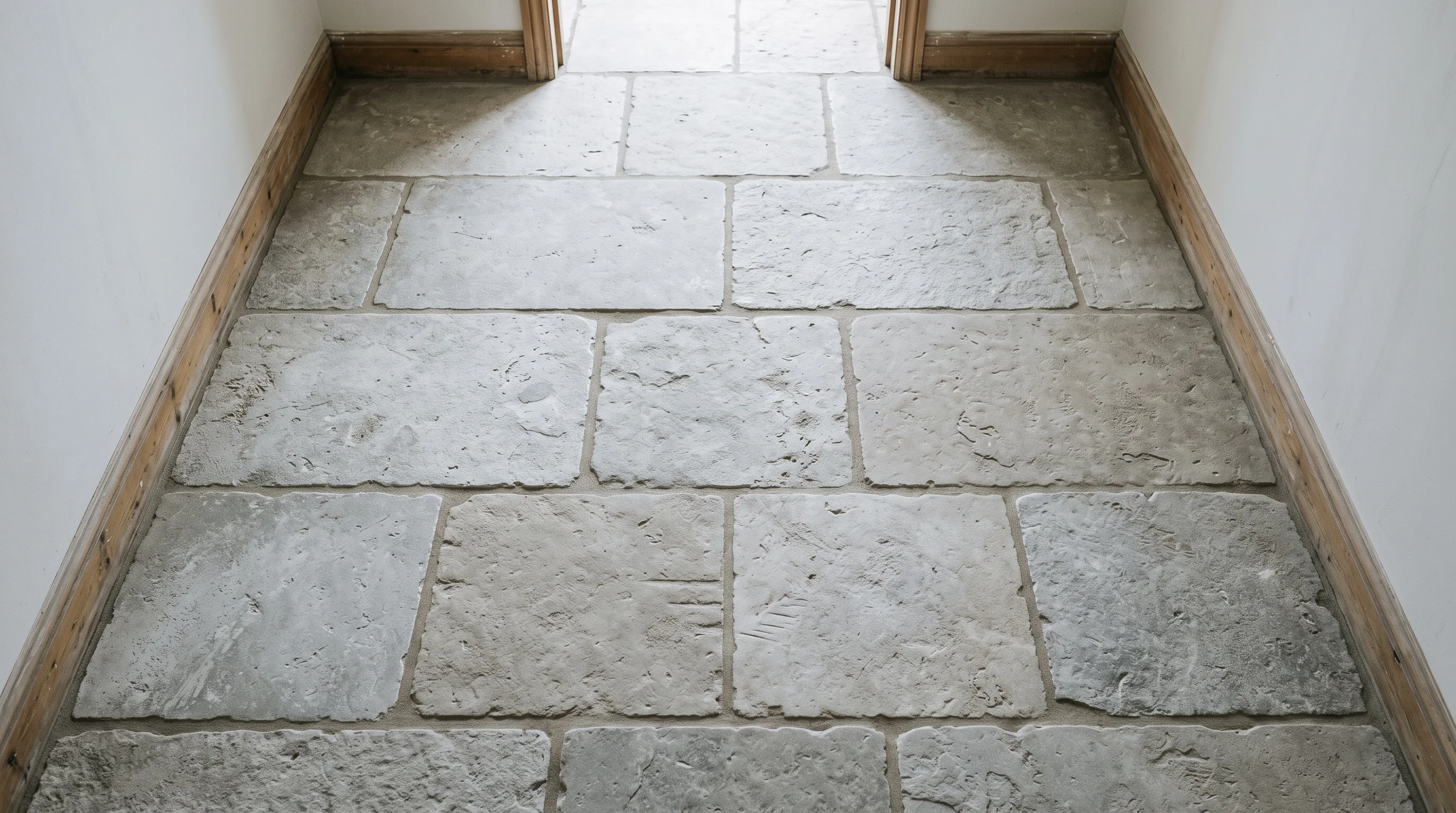
Finished reclaimed limestone hallway floor seen from above, joints pointed and the room in everyday use Reclaimed limestone hallway floor laid out dry from above, with open gaps still showing between the flags

Quarrymoor Tiling

Natural stone and tiling, Frome

Est. 2006 · Frome, Somerset

Floors older than the people walking on them.

Quarrymoor lays natural stone and tile in Frome and the villages around it, and has done since 2006. Most of what we lay is reclaimed and antique stone — flags that spent their first century or two as a chapel floor, a dairy floor, a farmhouse hall — matched and re-laid in houses like yours.

If you live in a period house, you don't want a floor that argues with it. You want stone with some wear already in its face, cut around the skirting rather than through it, laid to follow the room as it actually is.

Most days that means floors — hallways, kitchens, porches. The rest is bathroom and wet room tiling, kitchen splashbacks, sealing and restoring stone that's already down, and underfloor heating run quietly under limestone and travertine.

4.9 across 147 reviews On Google, gathered since 2006
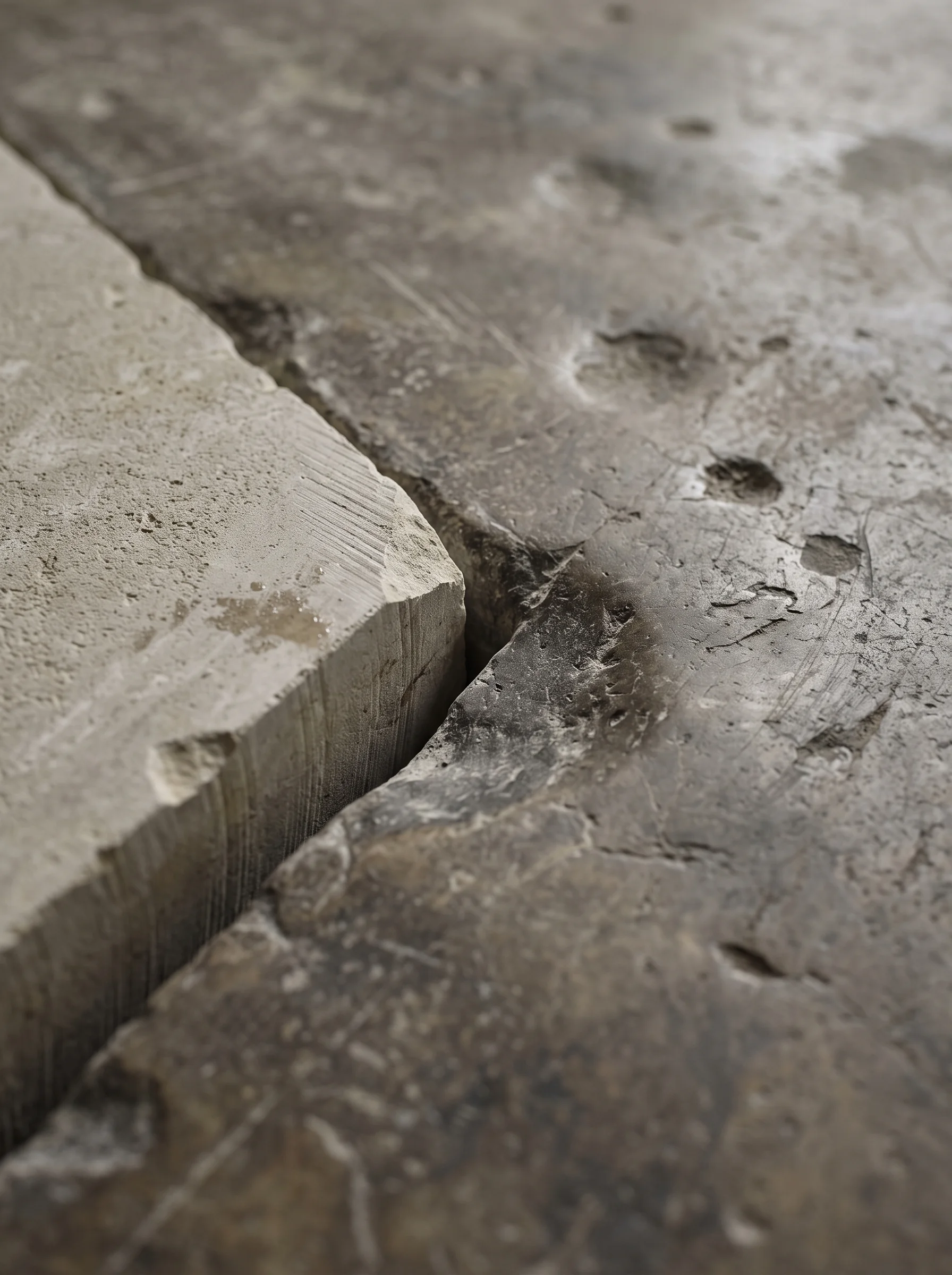
Close-up of a freshly sawn limestone edge sitting against the worn face of the same antique flag
One flag, two centuries — a fresh cut set against the worn face it has to live beside.

The material

Reclaimed and antique stone, explained

The phrase gets used loosely across Somerset. Here is what it means when we say it — four things worth knowing before anyone quotes you for reclaimed stone flooring.

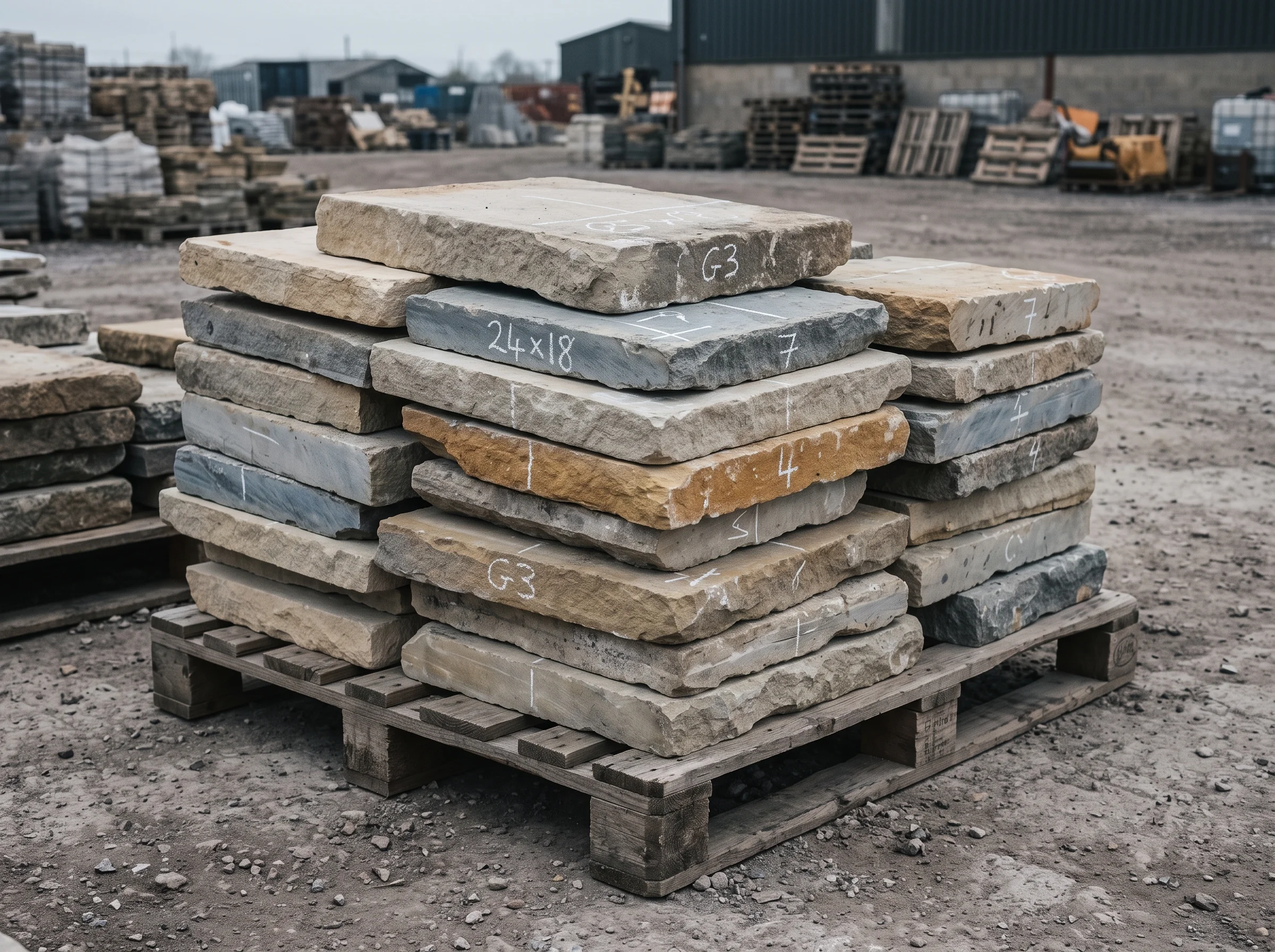
Reclaimed limestone flags stacked on a pallet with chalk grading numbers on their edges
Lifted flags, graded and chalk-numbered before they travel.

Where the stone comes from

Reclaimed flagstone is stone that has already been a floor. It gets lifted from chapels, dairies, mills and farmhouses when buildings come down or change, and it arrives with its history on it — tool marks from the first hand that dressed it, and a face polished by a century of feet. We source it, grade it, and match it to your house before a single flag is cut.

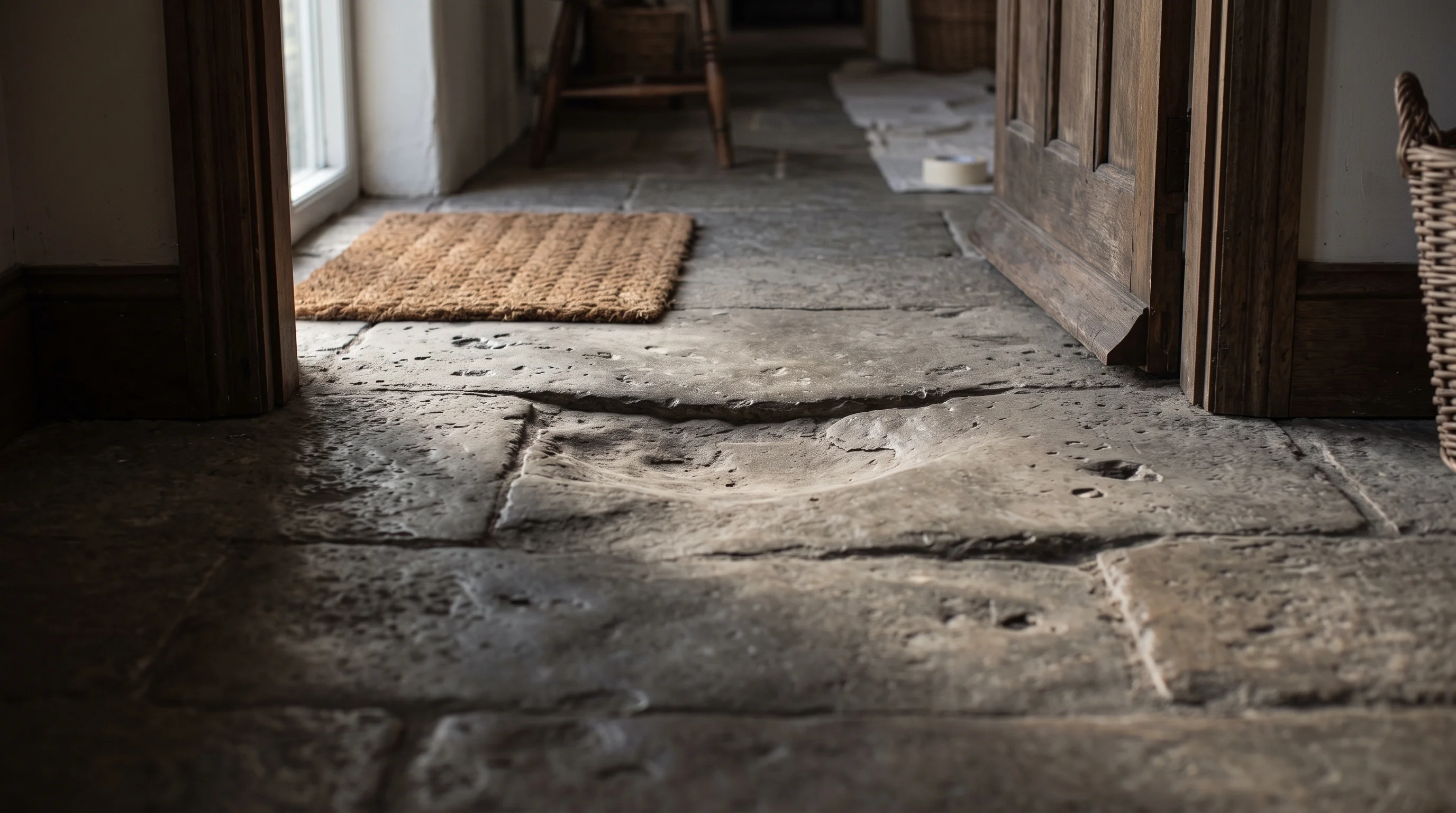
Raking light across an antique stone floor showing the shallow hollow worn by generations of feet

Old floors are not flat. That's the point.

A flag that has been walked on for two hundred years dips where the feet went — at the door, by the hearth, along the hall. That hollow is not a defect to grind out; it is the record of the room. We lay reclaimed stone so it keeps its wear, and we level only what the house needs to work, never what it needs to look new.

The record of the room, read by raking light.

Ammonite fossil spiral picked out by raking light in a honed limestone flag
An ammonite in a honed lias flag, under raking light.

Read the stone up close

Blue lias and the local limestones are full of the sea they were made in. Look closely at a honed flag and you'll find ammonites, shell beds and the odd kerf from a hand-cut edge. It's why no two reclaimed floors match — and why we dry-lay every one before it's fixed. The stones have opinions about where they sit.

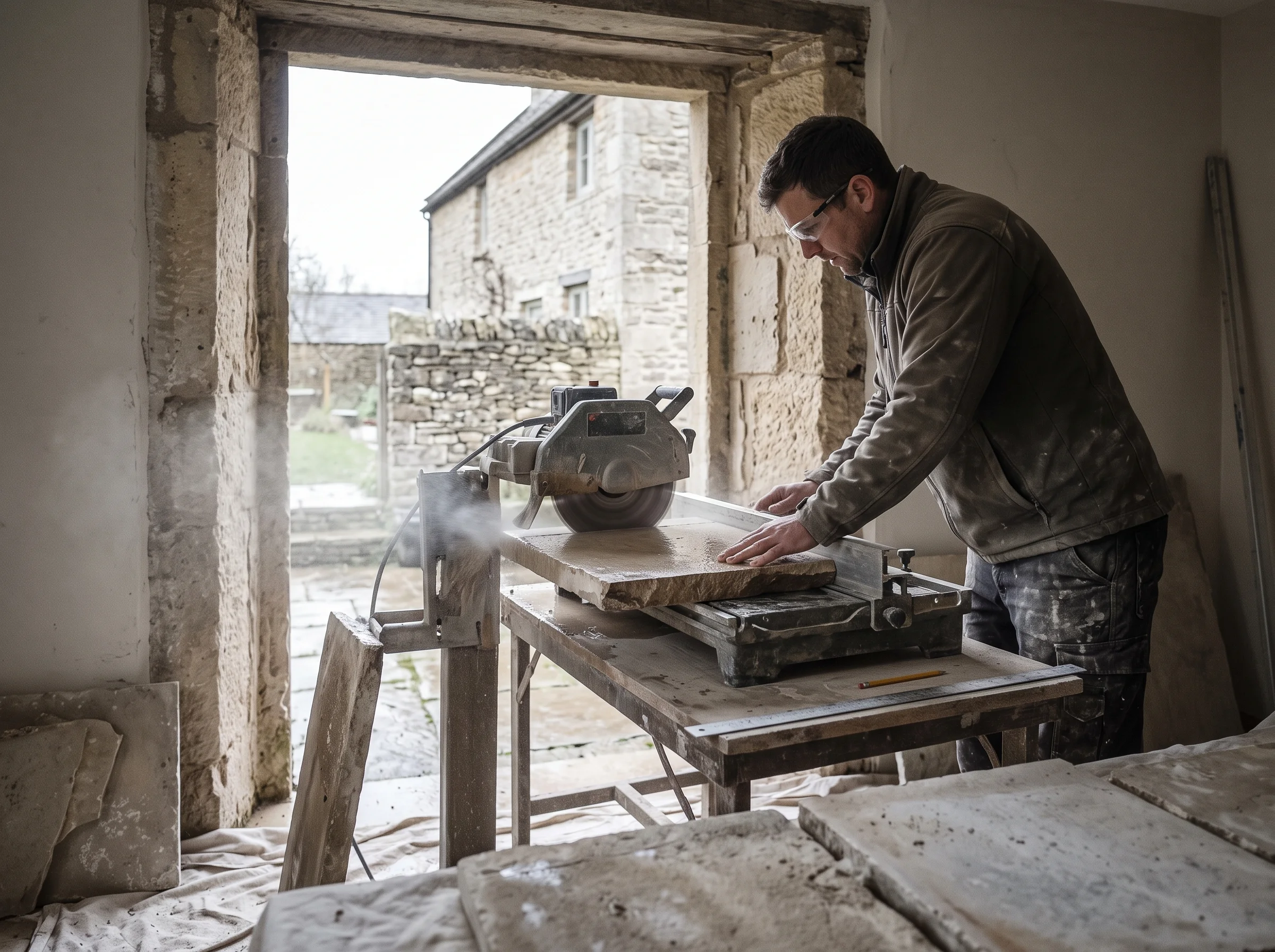
Wet saw in a doorway cutting a limestone flag, mist rising off the blade
The wet saw in the doorway — every cut made to the room, not the drawing.

New cuts defer to old wear

Where an antique stone floor needs a new piece — a threshold, a hearth infill, a run scribed to a crooked wall — we cut fresh stone and let it sit quietly beside the worn faces. Saw-fresh edges are eased by hand. Borders follow the skirting the house already has. The new work's whole job is to be forgettable.

The method

How we work in a house you're still living in

Letting a stranger work inside your home for a week is the real decision. This is what that week looks like, in order.

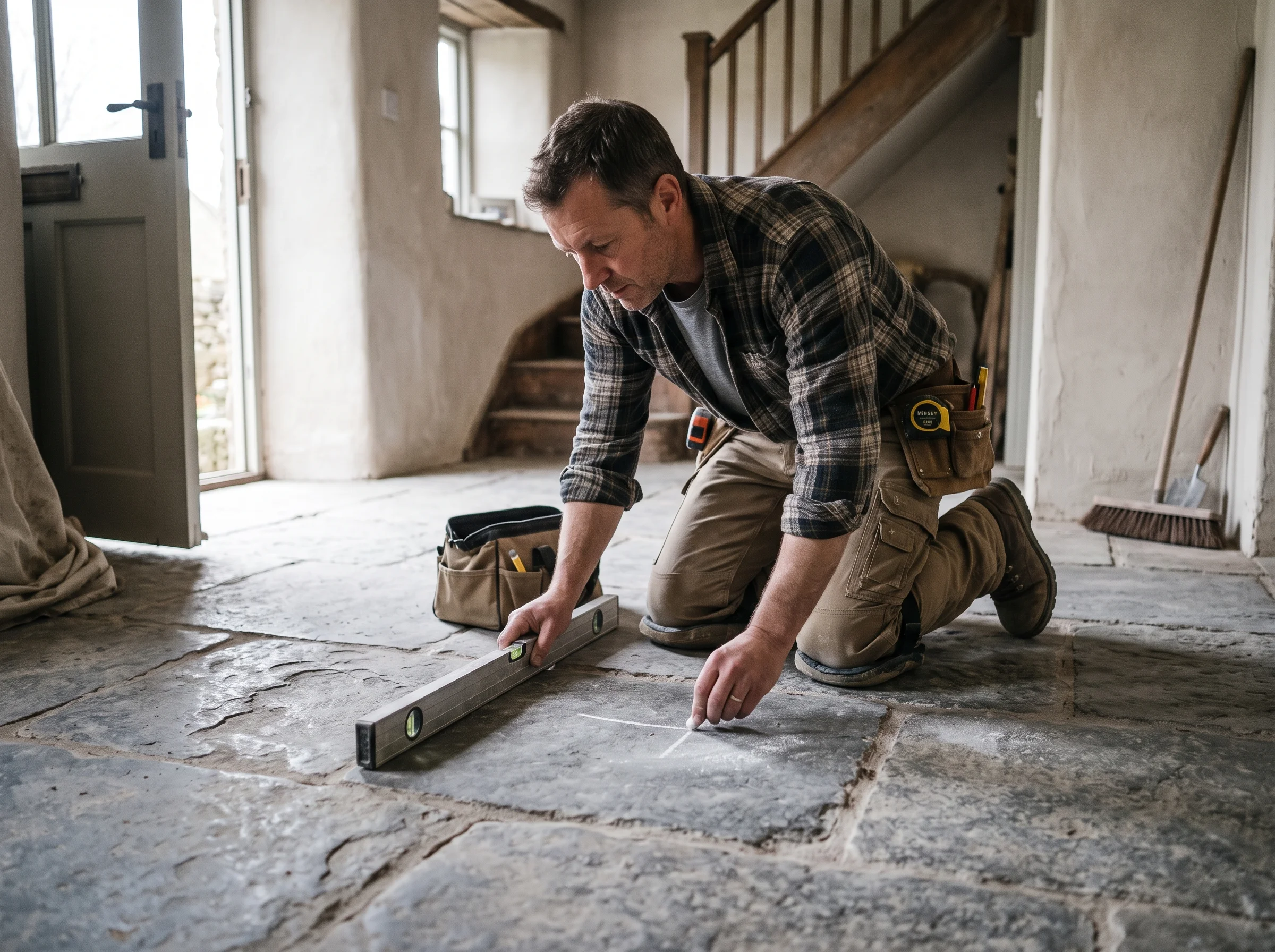
  1. Tiler kneeling on an old hallway floor with a spirit level, assessing the stone before quoting

    The look

    We come and look before we talk money. We lift a corner if we have to, check what the floor is sitting on, and tell you plainly what we find. If the substrate is damp, the screed is green, or the house needs something else doing first, we will say no to a floor that is not ready.

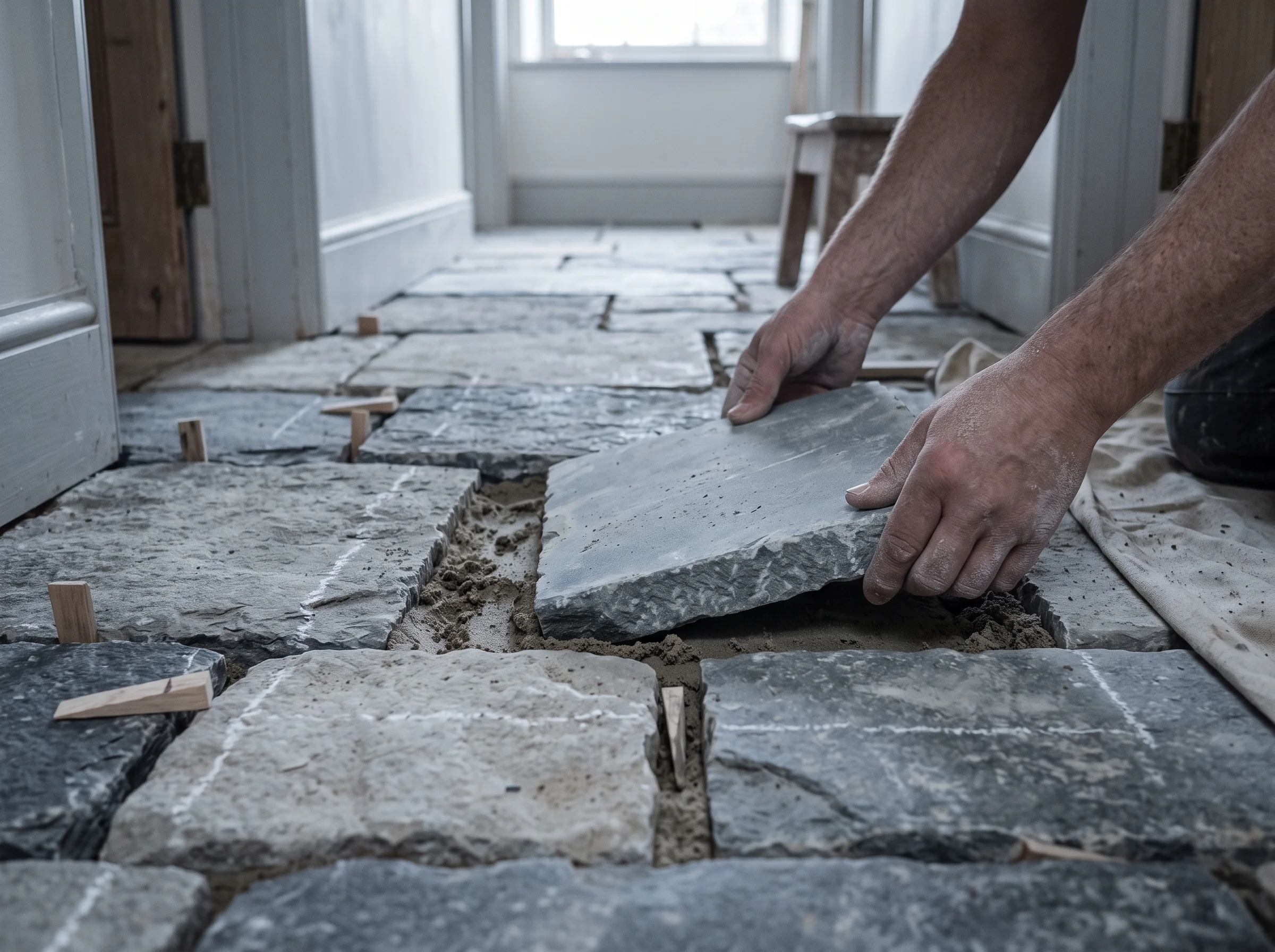
  2. Hands adjusting a loose flagstone in a dry-laid run across a hallway, dust sheet over a piano leg behind

    The dry lay

    Every floor is laid out loose before anything is fixed. You walk it. We shuffle stones, swap the ones you don't like the look of, and agree the run together. Dry-laid and checked with you — then, and only then, does anything get stuck down.

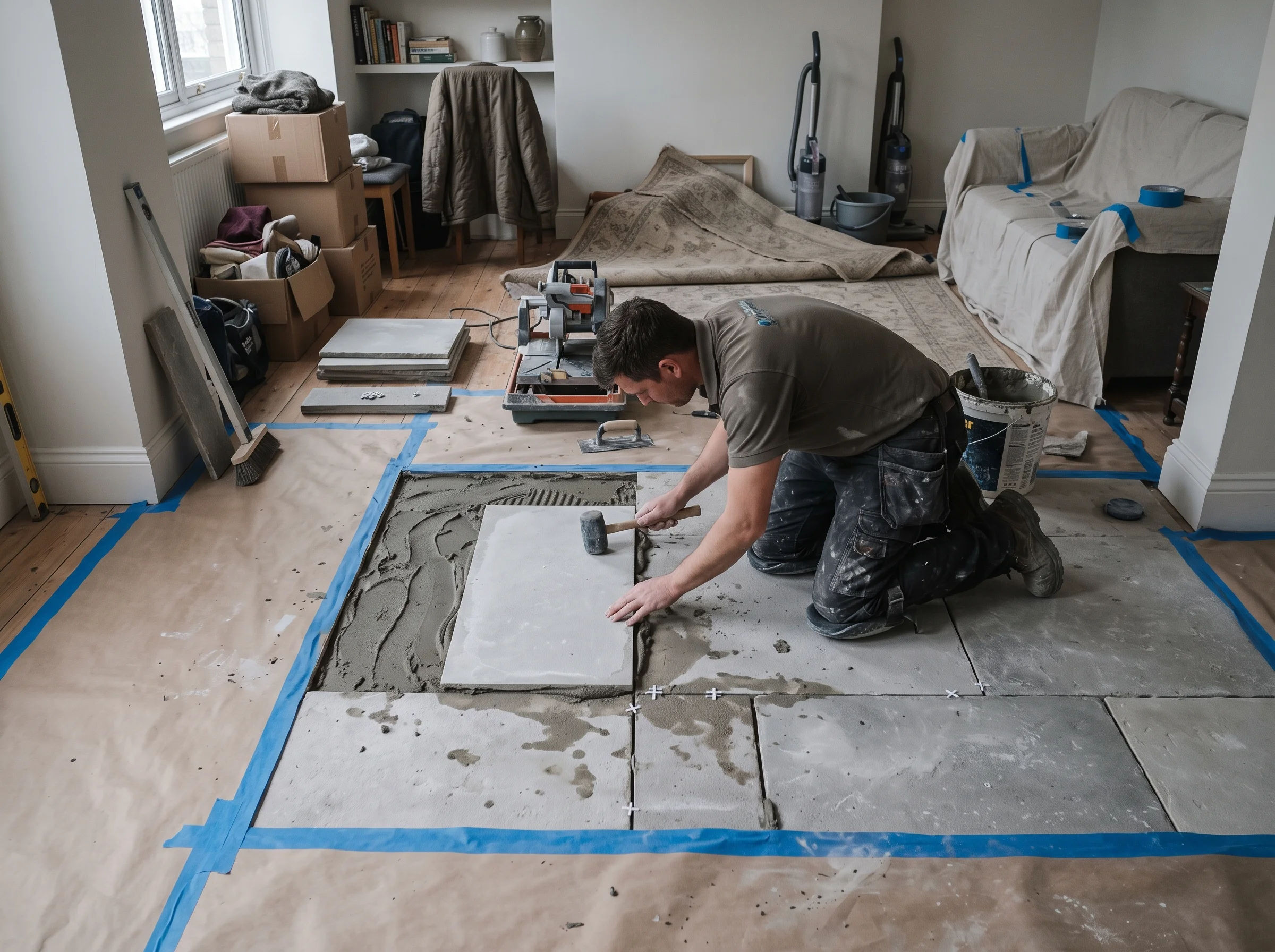
  3. Stone floor half laid in a lived-in room, dust sheets over furniture and painter's tape on the door frame

    The quiet work

    Days of it, around your life. Dust sheets over what matters, painter's tape on the door frames, the wet saw outside, and the kettle still yours. We work room by room so the house keeps working while we do — and if underfloor heating is going under the stone, this is when it's tested, buried, and tested again.

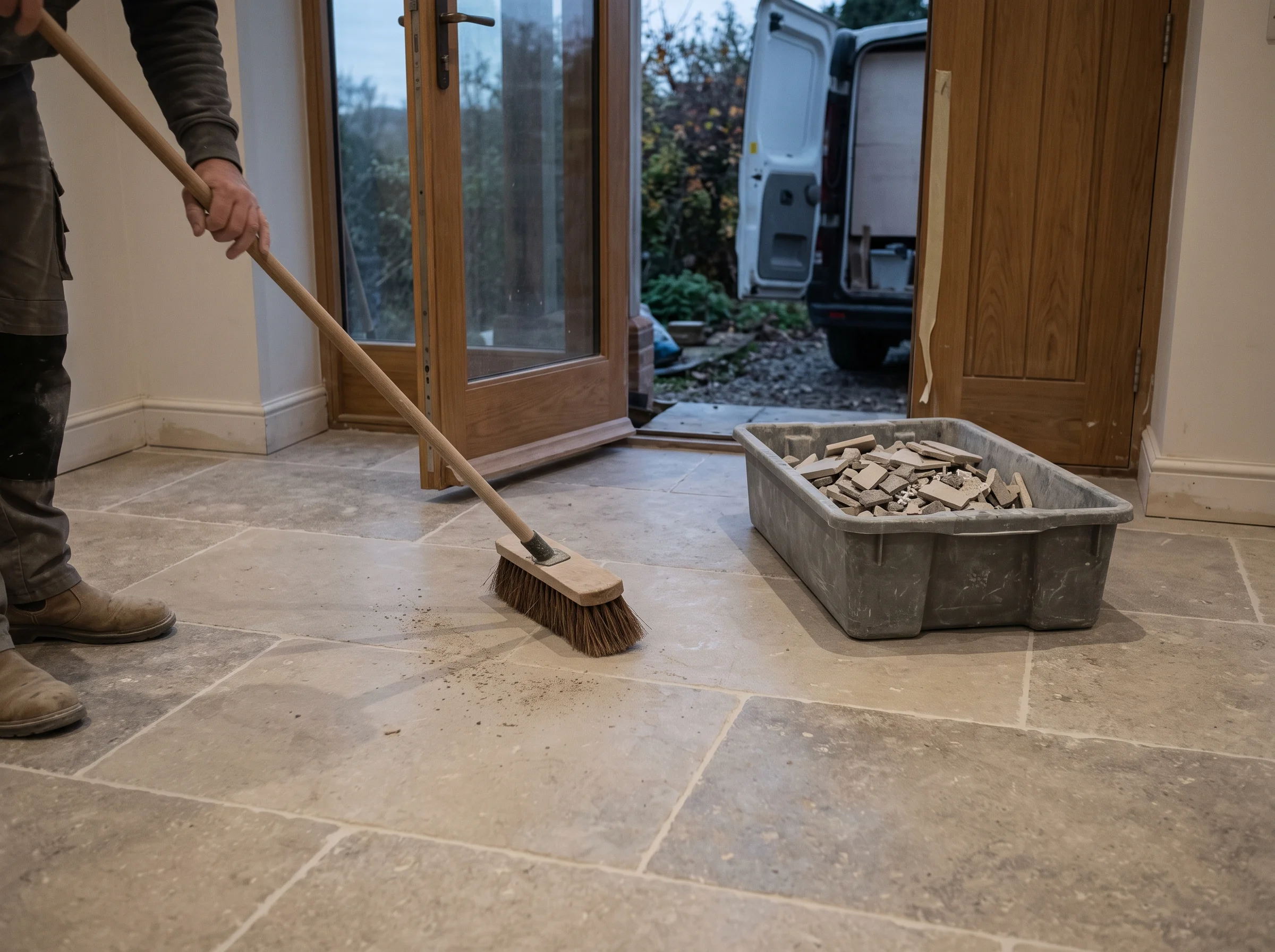
  4. Broom sweeping a newly laid limestone floor at the end of the job, offcuts collected by the door

    The broom

    The last tool out of the van is a broom. Offcuts and dust go with us, not into your skip. The floor is sealed, swept, and left ready to live on — stone sealing and restoration is half our trade, so it's done properly. Then the van doors shut, and the house is yours again.

The work

Floors laid in Frome

Real houses, honestly photographed — rooms people are still living in, floors that are honestly not flat. Each one: the house, the stone, and the problem it presented.

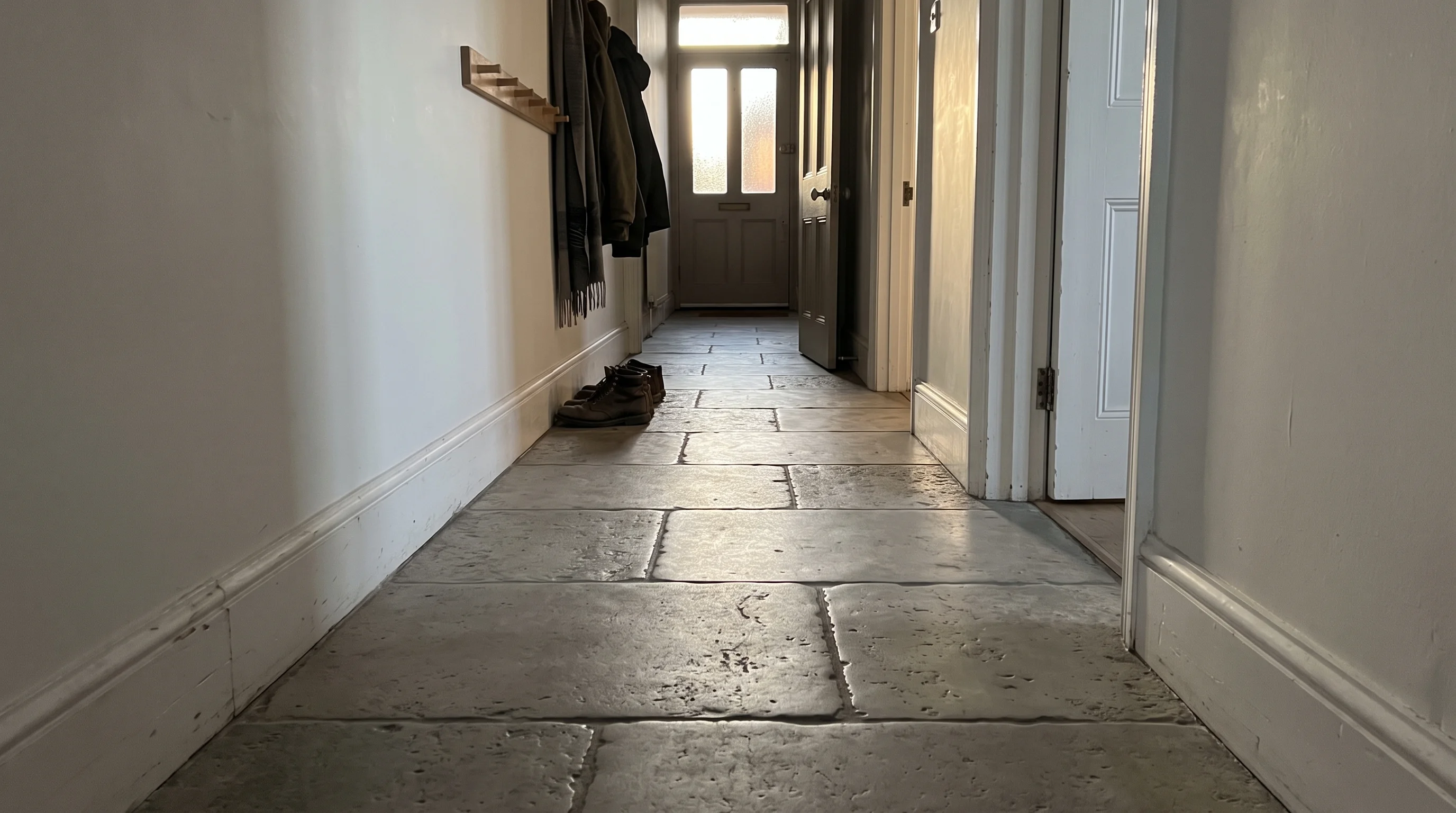
Reclaimed limestone hallway floor in a Victorian terrace, raking evening light showing every hollow
Victorian terrace off Catherine Hill — reclaimed limestone laid to a hall that falls two inches to the door.
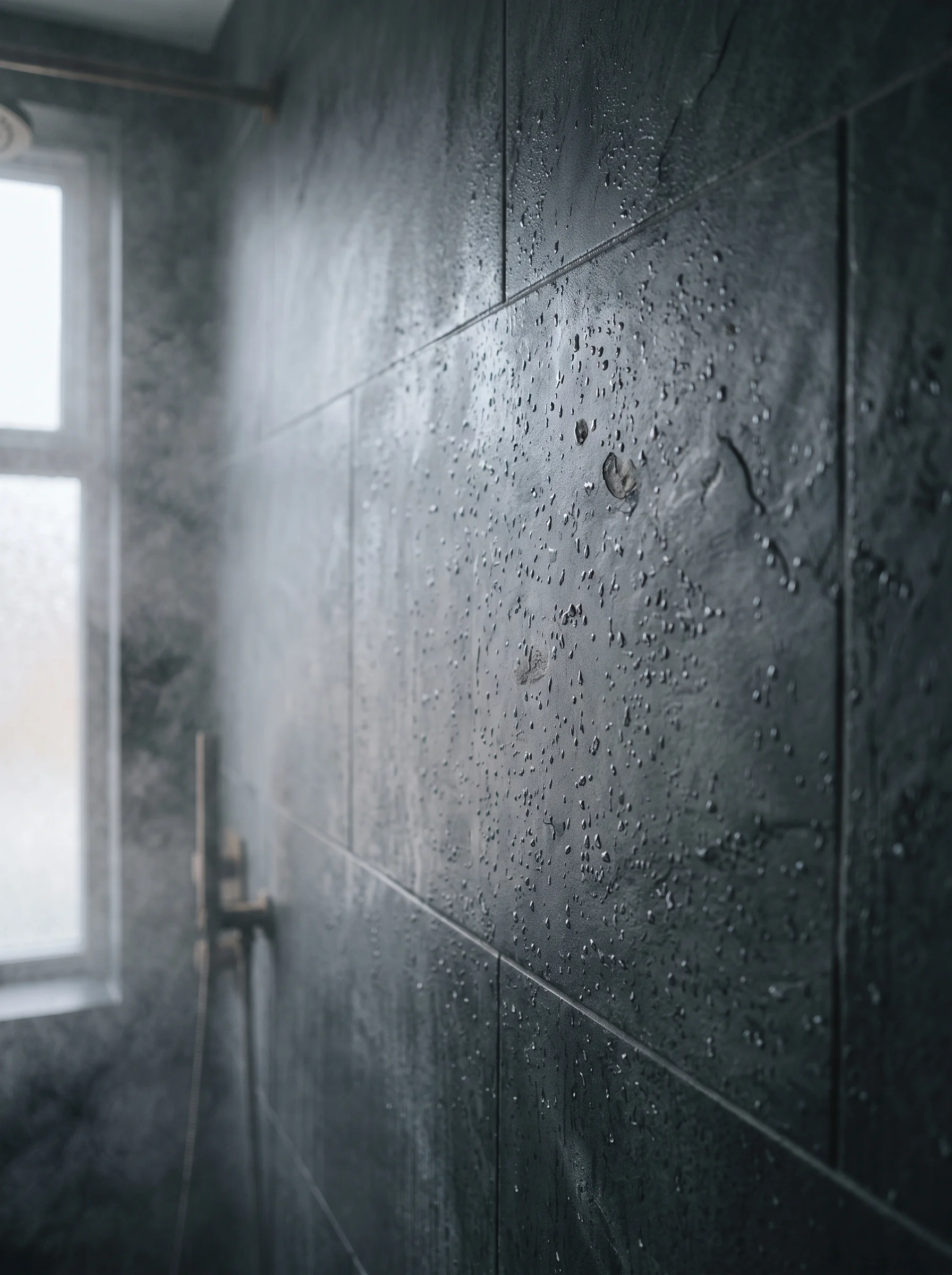
Steam on a honed slate wet room wall, water beading on the dark stone
Wet room in a Trinity terrace — honed slate, tanked and tiled around a chimney breast older than the plumbing.
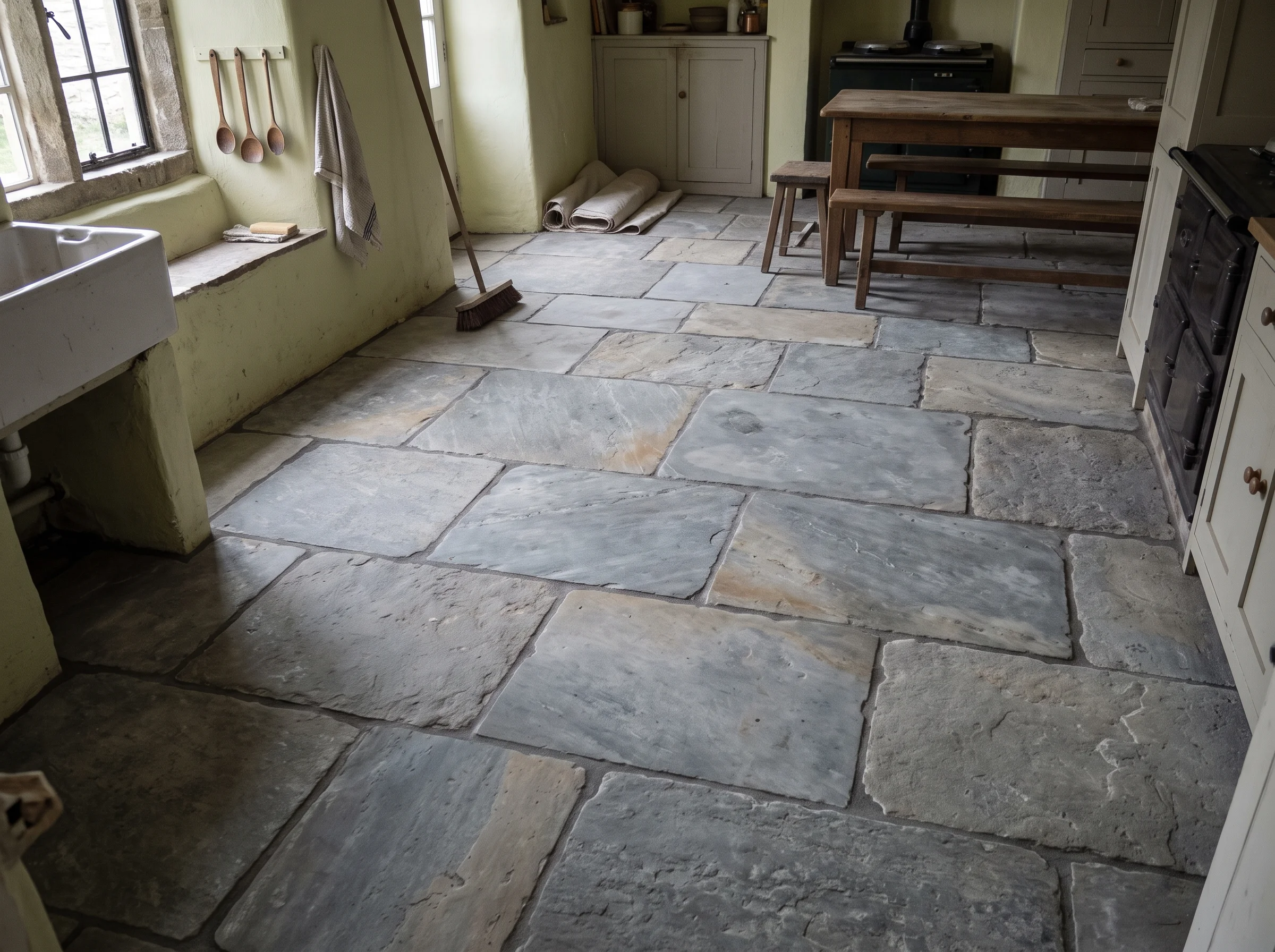
Cottage kitchen with new lias flagstones laid to follow the room's old dip towards the hearth
Cottage kitchen, Nunney — new lias flags laid to follow the old dip, not to fight it.
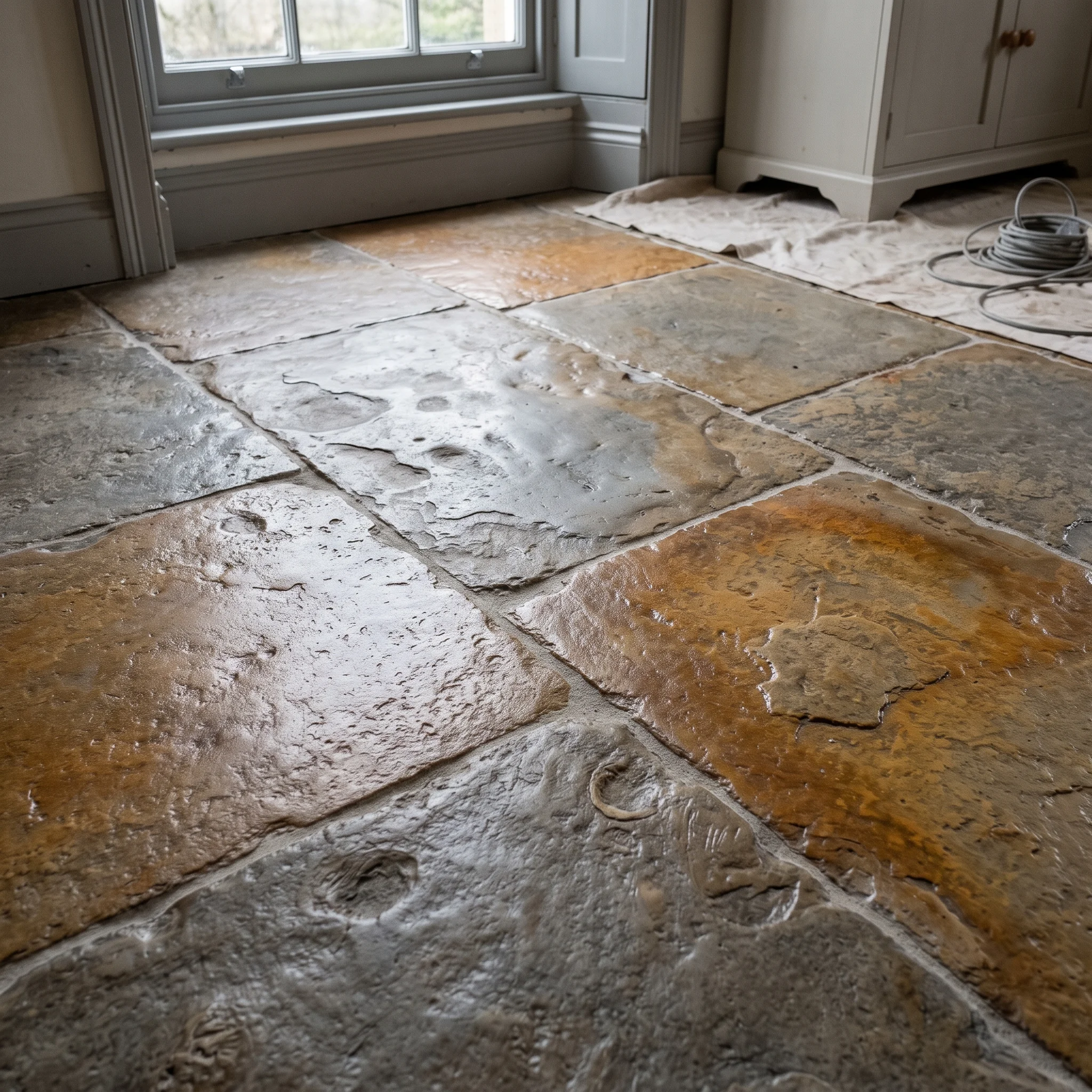
Freshly sealed antique flagstones showing an amber glow from the stone's own minerals
Farmhouse near Mells — antique flags cleaned and sealed; the amber is the stone's own.
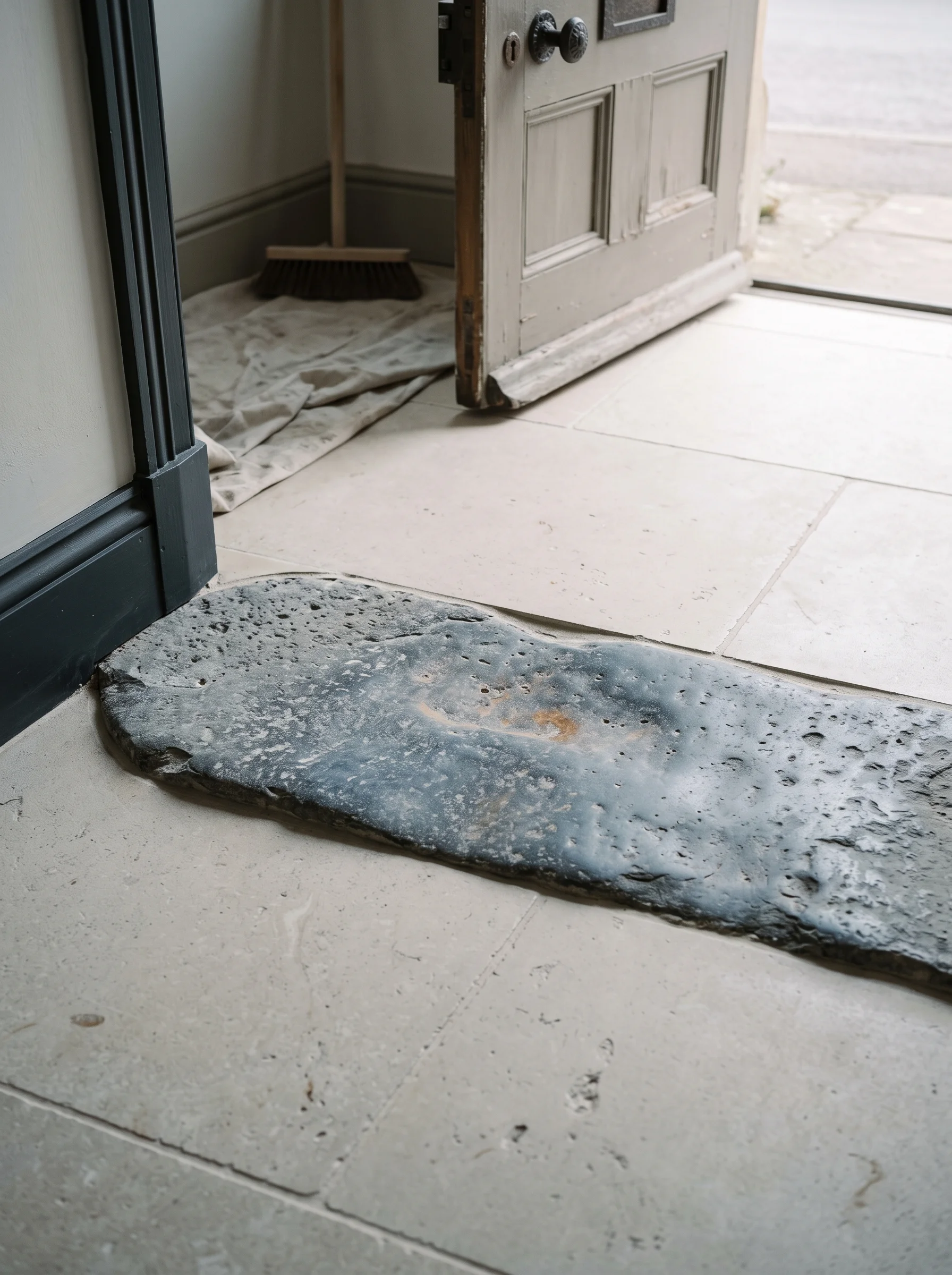
Porch floor with the worn original threshold stone kept, new limestone borders cut around period skirting
Porch off Gentle Street — the worn threshold kept, new borders scribed to the original skirting.
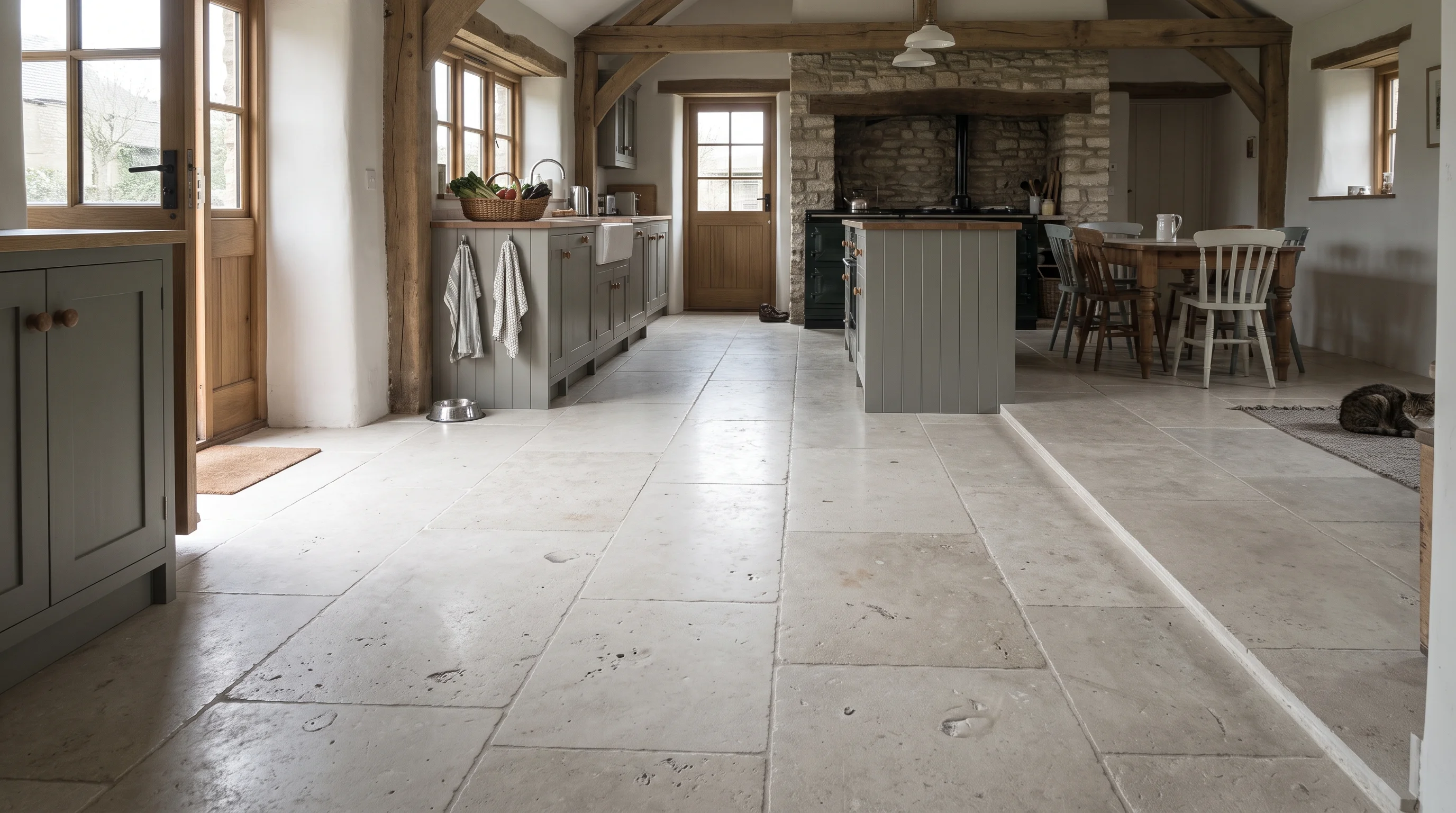
Barn-conversion kitchen with a pale limestone floor laid over underfloor heating
Barn kitchen, Buckland Dinham — limestone over underfloor heating; warm stone underfoot by breakfast.

The record

What people say when we've gone

They told us our screed wasn't dry enough and came back six weeks later. Nobody else who quoted even mentioned it.

A hallway in reclaimed limestone, Frome

4.9 across 147 reviews The Google record, 2006 to now

We lived in the house the whole time. Tea got made, doors got taped, and every evening the floor was swept and the tools were gone.

A kitchen floor, laid over five days
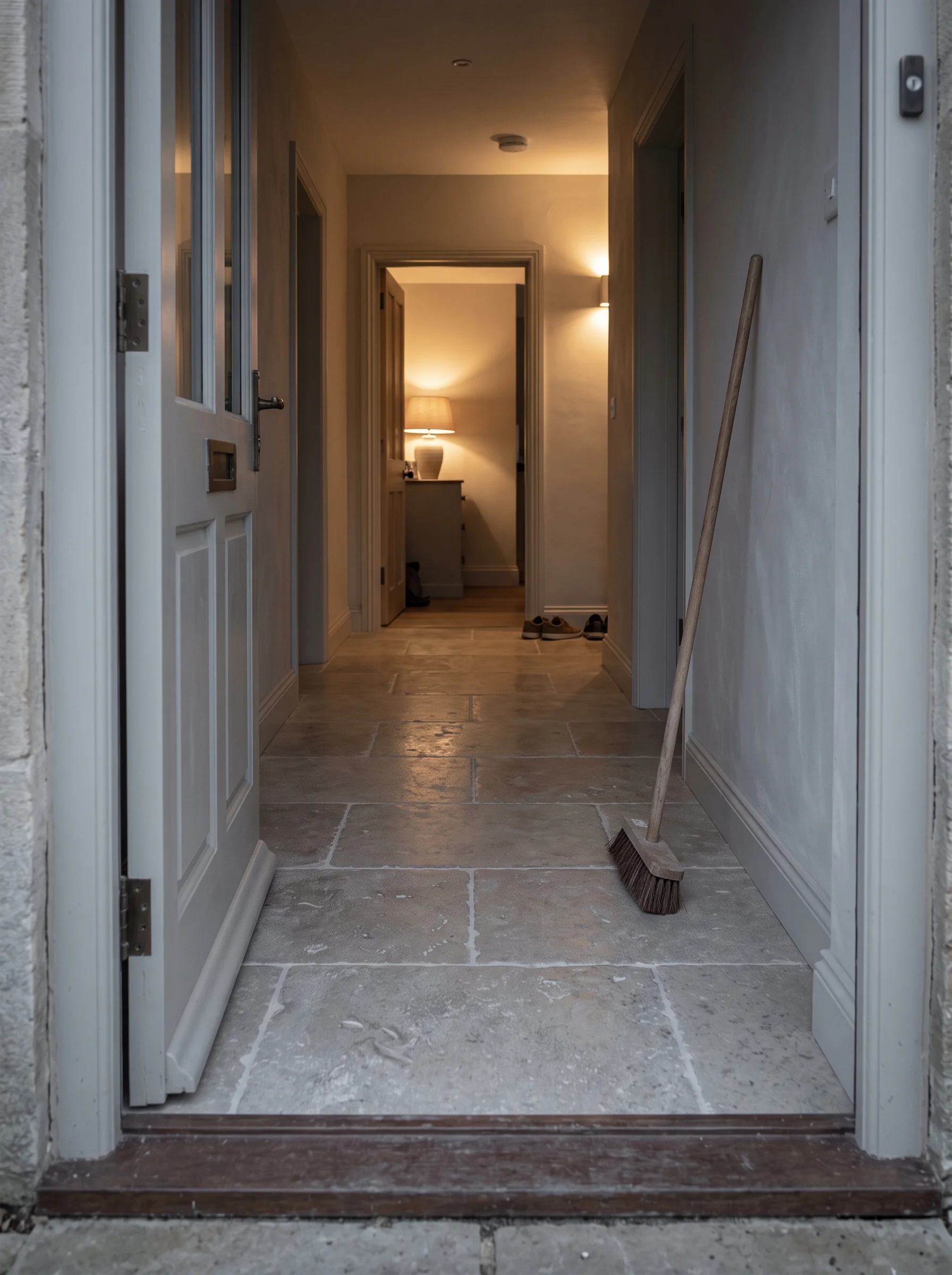
Finished stone hallway floor at dusk seen from the open front door, broom leaning against the wall
How a job ends — swept, sealed, and the house handed back.

You cannot tell where the old flags end and the new cuts begin. That was the whole point, and they understood it before we'd said it.

Antique flags repaired and re-laid, near Beckington

The dry lay sounds like a formality until you're standing on it, moving stones around your own hallway. Nothing went down until we'd looked.

A terrace hallway, Victorian, Frome

Start with a look

Tell us about your floor and we'll come and look.

No forms about budgets, no hard sell. Say where the house is and what the floor is doing, and we'll arrange a time to come and see it as it actually is.

How we handle what you send us

Nothing is fixed until you've seen it laid out